
Wellness · August 20, 2026
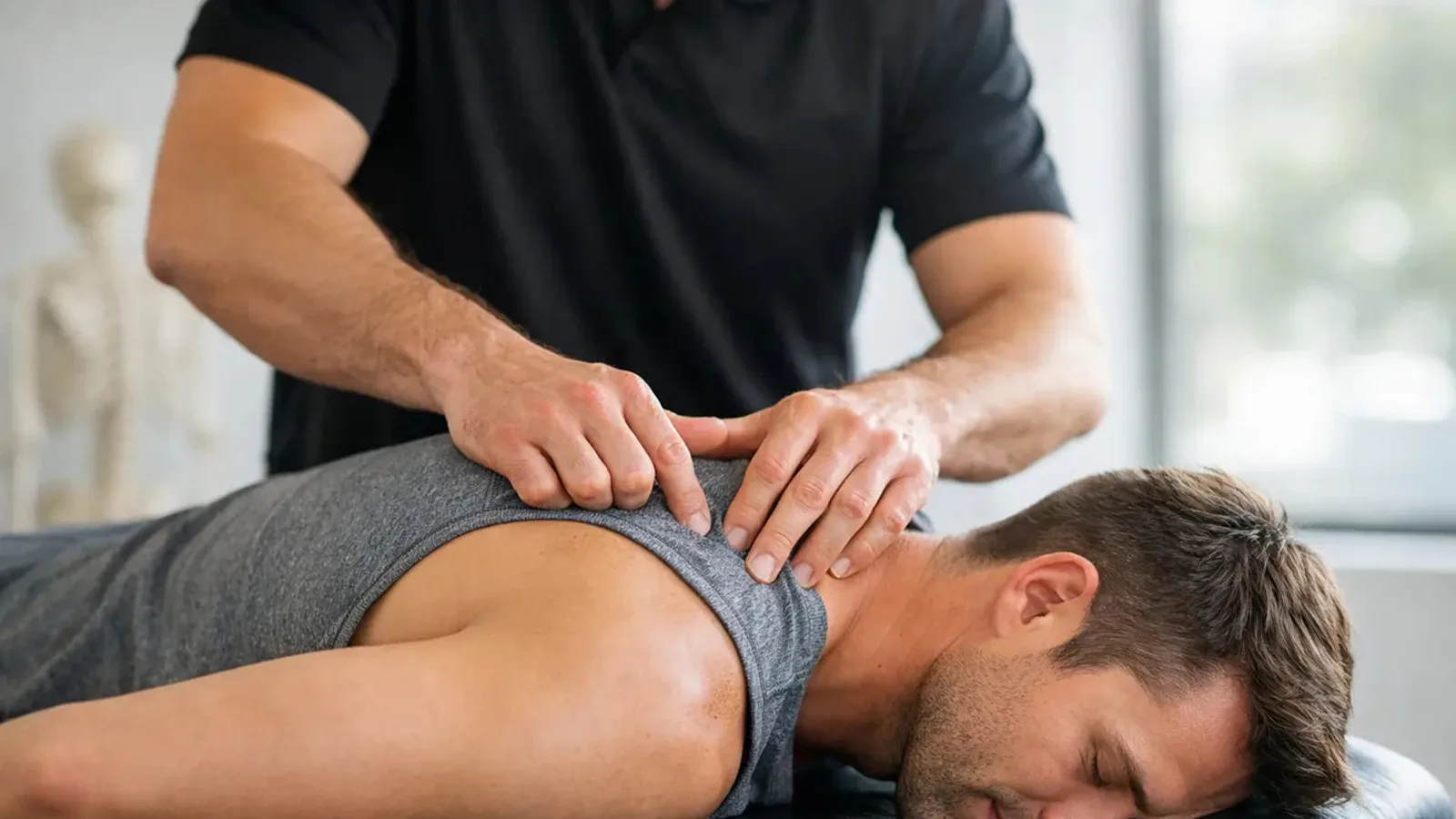
If you've been dealing with chronic pain, a nagging sports injury, or a soft tissue problem that nobody seems able to fix, you may have come across the term Active Release Technique — and wondered what it actually is. Here at Active Release Tx in Heath, TX, we work with athletes, active adults, and everyday people who have often tried multiple providers without finding real answers. Active Release Technique, or ART, is one of the most powerful tools in our clinical approach, and understanding how it works can help you make a more informed decision about your care. This article breaks it down in plain language so you know exactly what to expect.
What Is Active Release Technique?
Active Release Technique (ART) is a patented, evidence-informed soft tissue treatment system designed to identify and resolve problems in muscles, tendons, ligaments, fascia, and nerves. It uses precisely directed tension combined with specific patient movements to break down scar tissue and adhesions, restore normal tissue glide, and eliminate pain at its source.
What Is Active Release Technique, Really?
Active Release Technique was developed by Dr. P. Michael Leahy, a chiropractor and aerospace engineer, in the 1980s. Since then, it has grown into one of the most widely respected soft tissue systems in sports medicine and chiropractic care worldwide. Professional sports teams, Olympic athletes, and elite performers across nearly every discipline have relied on ART to recover from injury and maintain peak function.
At its core, ART is a hands-on method of evaluating and treating the soft tissues of the body — the muscles, tendons, ligaments, fascia, and nerves. These structures can develop what are known as adhesions: areas where tissue that should move freely becomes bound together due to overuse, acute injury, repetitive strain, or poor movement patterns. These adhesions are often the hidden source of pain that imaging like MRIs and X-rays won't reliably catch.
What makes ART distinct from other manual therapies is its combination of precise tissue contact, applied tension, and active movement by the patient. It isn't passive. The provider places a hand on the affected tissue while guiding the patient through a specific movement. That combination creates a biomechanical effect that breaks down adhesions and restores the tissue's normal ability to slide and glide the way it's supposed to.
Here in Heath, TX, Dr. Anthony Criscuolo has been practicing and — importantly — teaching ART to other providers for over 33 years. That level of experience and clinical depth is genuinely rare. Fewer than 500 chiropractors in the entire country hold a Diplomate of the American Chiropractic Board of Sports Physicians (DACBSP), and Dr. Criscuolo is one of them. When you receive ART at Active Release Tx, you are receiving care from someone who helped shape how other clinicians learn and apply this technique.
How Does Active Release Technique Work?
To understand how ART works, it helps to first understand how soft tissue problems develop. When a muscle, tendon, or other structure is subjected to repetitive stress — whether from athletic training, a desk job, manual labor, or everyday movement — tiny tears can occur in the tissue. The body responds by laying down scar tissue to repair the damage. This is a normal and necessary process.
The problem is that scar tissue is not the same as healthy tissue. It's denser, less flexible, and less organized. When it forms between structures that need to move independently — say, between a nerve and the surrounding muscle — it restricts that movement. The result is tension, reduced range of motion, weakness, and pain. In some cases, it can cause nerve entrapment symptoms like numbness, tingling, or radiating discomfort.
ART directly addresses this process. During a session, the provider first evaluates the texture, tension, and movement of the affected tissue. They use their hands to identify areas that feel abnormal — rope-like bands, areas of restricted glide, or focal tenderness. Once the problem area is located, the provider applies a specific tension to the tissue while the patient moves the associated body part through a carefully chosen range of motion.
That active movement is what sets ART apart. As the tissue moves under tension, the adhesion is systematically lengthened and separated from surrounding structures. The body begins to remodel the tissue over subsequent treatments, restoring proper movement and reducing pain. Most patients at Active Release Tx in Heath, TX report noticeable changes — often within just a few sessions — especially in cases where they had been struggling for months or even years.
Conditions That Active Release Technique Can Address
One of the reasons ART has earned its reputation in sports medicine and chiropractic care is its versatility. Soft tissue adhesions are a contributing factor in a broad range of musculoskeletal problems, which means ART has a wide range of clinical applications. At Active Release Tx, Dr. Anthony Criscuolo uses ART as part of a comprehensive neuromusculoskeletal assessment — meaning the treatment is always targeted to the root cause, not just the location where the patient feels pain.
Some of the most common conditions addressed with ART include carpal tunnel syndrome, plantar fasciitis, IT band syndrome, rotator cuff injuries, tennis elbow, golfer's elbow, shin splints, hip flexor tightness, sciatica, and headaches rooted in cervical soft tissue tension. Many patients who come to see us at Active Release Tx in Heath have already been told their imaging is "normal" — but they are still in pain. That is often a signal that the source of the problem is soft tissue, and ART is specifically designed to find and treat those problems.
Athletes recovering from overuse injuries, runners dealing with chronic lower leg or knee pain, desk workers with stubborn neck and shoulder tension, and individuals post-surgery navigating scar tissue buildup are all populations who frequently benefit from this approach. The key is that ART is not a one-size-fits-all protocol — it requires skilled assessment and individualized application, which is exactly what Dr. Criscuolo brings to every appointment.
How ART Compares to Other Soft Tissue Treatments
Treatment | Mechanism | Patient Involvement | Targets Adhesions Directly? | Requires Active Movement? |
|---|---|---|---|---|
Active Release Technique (ART) | Precise manual tension + active patient movement to break down adhesions | Active — patient moves through specific ranges of motion | Yes | Yes |
Traditional Massage Therapy | Broad compression and gliding strokes to relax tissue | Passive — patient relaxes during treatment | Partially | No |
Graston / Instrument-Assisted Soft Tissue | Metal tools used to scrape and mobilize soft tissue | Mostly passive | Yes | Sometimes |
Foam Rolling / Self-Myofascial Release | Broad compression applied by patient | Self-directed | Minimally | Somewhat |
Physical Therapy Stretching | Lengthening tissue through range-of-motion exercises | Active | No — addresses tightness, not adhesions specifically | Yes |
How Chiropractic Care and ART Work Together
Chiropractic care and Active Release Technique are a natural pairing, and at Active Release Tx, Dr. Anthony Criscuolo integrates both when appropriate as part of a comprehensive approach to neuromusculoskeletal health. Here's why they complement each other so well.
Chiropractic adjustments work primarily on the joints — restoring proper alignment and motion to spinal or extremity joints that have become restricted. Soft tissue adhesions, however, are a surrounding structure problem. When tight, adhered muscles or fascia are pulling on a joint, an adjustment alone may provide temporary relief but fail to address the underlying tension that keeps pulling the joint back out of alignment. ART clears the soft tissue component so that chiropractic work can hold longer and function more effectively.
The reverse is also true. Freeing a nerve or muscle from an adhesion becomes more durable when the joints that support that region are moving properly. The two approaches target different but interdependent systems, and combining them tends to produce better outcomes than either approach in isolation.
For patients here in the Heath and Rockwall area who have struggled with recurring or chronic musculoskeletal problems, this integrated model is often what finally produces lasting results. Dr. Criscuolo's clinical process always begins with a thorough assessment — identifying exactly what is causing dysfunction and building a plan that addresses the true root cause.
Practical Tips: Getting the Most Out of Your ART Care
Active Release Technique is most effective when supported by good daily habits. While Dr. Anthony Criscuolo and the team at Active Release Tx will guide your care plan specifically, there are some general principles that support soft tissue healing and help your results last longer.
Hydration matters more than most people realize. Soft tissue is predominantly water, and dehydrated tissue is less pliable and more prone to forming adhesions in the first place. Staying well-hydrated helps your tissue respond better during treatment and recover between sessions.
Movement is medicine. Prolonged static postures — whether from sitting at a desk, standing in one position for hours, or even sleeping in a fixed position — are among the most common contributors to soft tissue tension and adhesion formation. Taking regular movement breaks throughout your day, even just 2-3 minutes of gentle mobilization every hour, can make a meaningful difference in how your tissues behave over time.
Pay attention to your breathing patterns. Shallow, chest-dominant breathing creates chronic tension in the scalene muscles of the neck and the accessory muscles of respiration — a frequently overlooked driver of neck pain, headaches, and upper extremity issues. Learning to breathe with your diaphragm reduces unnecessary strain on these structures.
Finally, follow the guidance from your provider about activity during care. Depending on the condition being treated, certain activities may need to be modified temporarily — not because rest is always the answer, but because repeating the motion that's causing the problem while tissue is still healing can slow progress. Your care at Active Release Tx in Heath is always individualized, so trust the process and communicate openly about how you are responding.
When to See a Provider About Soft Tissue Pain
Many people wait far too long before seeking care for soft tissue problems. Pain that has been present for more than a few weeks without improvement, a loss of range of motion that is affecting your daily life or athletic performance, weakness or instability in a limb, or a recurring issue that keeps coming back despite rest or treatment elsewhere — these are all reasonable reasons to seek evaluation sooner rather than later.
Soft tissue adhesions do not resolve on their own in most cases. In fact, the longer they are left untreated, the more compensatory movement patterns tend to develop as the body finds workarounds to manage the restriction. Those compensations create secondary problems and make the original issue harder to resolve. Early, targeted intervention with ART is almost always more efficient than waiting.
There are also red flags that warrant immediate medical attention rather than chiropractic care first. These include sudden severe pain following a trauma, suspected fracture, neurological symptoms such as significant weakness or loss of bladder or bowel control, unexplained weight loss accompanying musculoskeletal pain, or pain that is constant and worsening without any mechanical cause. In those situations, please seek emergency or physician evaluation right away. Dr. Criscuolo and the team at Active Release Tx are committed to making appropriate referrals when a case falls outside chiropractic and soft tissue scope — your health and safety always come first.
Myths vs. Facts About Active Release Technique
Myth: ART is just a fancy name for deep tissue massage.
Fact: While both involve manual contact with soft tissue, ART is a distinct clinical system with a specific diagnostic and treatment protocol. Unlike massage, ART requires the patient to move through active ranges of motion during treatment, and the provider targets specific tissue layers and adhesion patterns rather than applying broad pressure across the muscle. The two approaches can complement each other, but they are not the same thing.
Myth: ART is only for elite athletes or professional sports.
Fact: While ART has a strong history in professional and collegiate sports settings, it is equally effective for desk workers, weekend warriors, older adults managing chronic pain, and anyone dealing with a soft tissue-related condition. Adhesions form in anyone who moves — or doesn't move enough — and ART addresses those adhesions regardless of fitness level or athletic background.
Myth: If you've had symptoms for years, it's too late for ART to help.
Fact: Chronic soft tissue problems — even those that have been present for years — often respond well to ART, particularly when performed by an experienced practitioner who can accurately identify the source of dysfunction. Many patients at Active Release Tx in Heath, TX come in after years of unsuccessful treatments elsewhere and finally find meaningful relief. Duration alone does not determine whether ART can help.
Myth: ART should always be painful.
Fact: Some discomfort during ART treatment is normal, particularly when treating areas with significant adhesion buildup. However, the goal is never to cause unnecessary pain. Skilled practitioners like Dr. Anthony Criscuolo modulate their pressure and technique based on patient feedback and tissue response. If something is uncomfortable, communicating with your provider allows them to adjust their approach accordingly.
Myth: One ART session is enough to fix the problem.
Fact: While some patients notice improvement after a single session, most soft tissue conditions — especially chronic ones — require a series of treatments for lasting results. Adhesions develop over time, and tissue remodeling is a process, not an event. The number of sessions needed varies based on the condition, its severity, and how long it has been present. Dr. Criscuolo will give you a realistic expectation at your initial assessment.
Final Thoughts From Active Release Tx in Heath, TX
Soft tissue problems are among the most common and most misunderstood sources of pain in the body. They don't always show up on imaging. They don't always respond to rest or standard physical therapy. And they don't get better on their own without targeted treatment that addresses the root cause. That is exactly what Active Release Technique is designed to do — and it's what Dr. Anthony Criscuolo has dedicated more than four decades of clinical practice to mastering.
At Active Release Tx, serving the Heath, Rockwall, and greater eastern Dallas community, we believe you deserve to understand what is causing your pain and how it can be resolved. Our clinical process begins with a thorough neuromusculoskeletal assessment, and our treatment approach is always built around your specific anatomy, movement patterns, and goals — not a generic protocol.
If you've been searching for a soft tissue specialist near Heath or Rockwall who can finally give you real answers, we'd encourage you to reach out and take that first step. You don't have to keep managing symptoms. There is almost always a root cause — and finding it is exactly what we do.
Frequently Asked Questions About Active Release Technique
Is Active Release Technique the same as chiropractic adjustment?
No — they are distinct treatment approaches that address different structures. Chiropractic adjustments target joint alignment and mobility, while ART targets soft tissue adhesions in muscles, tendons, fascia, ligaments, and nerves. At Active Release Tx, Dr. Criscuolo may use both in an integrated care plan when appropriate.
How many ART sessions will I need?
The number of sessions depends on the condition, how long it has been present, and how your tissue responds to treatment. Many patients begin noticing meaningful improvement within 3-6 sessions, though chronic or complex cases may require more. Dr. Anthony Criscuolo will provide a realistic expectation at your initial evaluation.
Does Active Release Technique hurt?
Some mild discomfort during treatment is common, especially in areas with significant adhesion buildup. Most patients describe it as a "good hurt" — pressure that is intense but productive. Communication with your provider is encouraged so that technique and pressure can be adjusted to stay within a comfortable and effective range.
Can ART help with nerve-related symptoms like numbness or tingling?
In many cases, yes. Nerve entrapment caused by surrounding soft tissue adhesions is a common source of symptoms like numbness, tingling, and radiating pain. ART is specifically designed to address these nerve entrapments by releasing the adhesions that are restricting nerve movement. A thorough assessment is always necessary to confirm the source of nerve symptoms before treatment begins.
Is Active Release Technique safe?
ART is widely considered a safe, non-invasive soft tissue treatment when performed by a trained and credentialed provider. Side effects are generally mild and may include temporary soreness in the treated area, similar to what you might feel after an intense workout. Dr. Criscuolo's extensive clinical experience — including over 33 years as a certified ART instructor — ensures treatment is applied with precision and appropriate care.
Do I need a referral to see Dr. Criscuolo at Active Release Tx?
In most cases, you do not need a physician referral to begin chiropractic or ART care. However, it is always a good idea to keep your primary care physician informed about your musculoskeletal care, especially if you have a complex medical history. The team at Active Release Tx in Heath, TX is happy to coordinate care with other providers when beneficial.
TL;DR — Key Takeaways
Active Release Technique (ART) is a precise, hands-on soft tissue system that identifies and breaks down adhesions in muscles, tendons, fascia, ligaments, and nerves — restoring normal movement and reducing pain at its source.
ART works by combining specific manual tension with active patient movement, making it distinct from passive therapies like massage or foam rolling.
It is effective for a wide range of conditions — from carpal tunnel and plantar fasciitis to sciatica and rotator cuff injuries — in athletes and non-athletes alike.
At Active Release Tx in Heath, TX, Dr. Anthony Criscuolo brings over 33 years of ART instruction experience and a rare DACBSP credential, offering a level of clinical depth that is genuinely uncommon in the region.
If you've been dealing with unresolved soft tissue pain, ART combined with a thorough neuromusculoskeletal assessment is often the missing piece that finally produces lasting results.